

Experts predict that oil tanker trucks will become even more integrated with renewable energy systems in the future. By 2035, it’s expected that 30% of tanker trucks will be hybrid or fully electric, with solar panels mounted on their roofs to power on-board systems like IoT sensors and cooling units Oil tanker truck for sale.
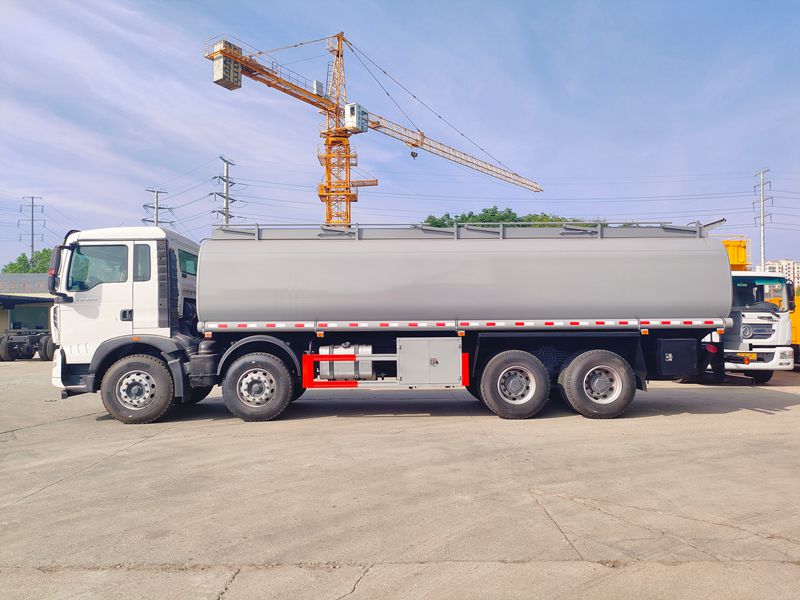
Autonomous driving technology will also play a role, especially for long-haul transport of new energy infrastructure. Trials in the U.S. are testing self-driving tanker trucks that can transport wind turbine blades across the country,Oil tanker truck for sale using AI to navigate highways and avoid obstacles. These trucks would reduce driver fatigue and improve delivery speed, critical for meeting renewable energy project deadlines Oil tanker truck for sale Hazardous material tanker.
“Oil tanker trucks are no longer just part of the fossil fuel industry—they’re becoming key players in the renewable energy transition,”Oil tanker truck for sale says an energy logistics expert. “Their ability to adapt to new roles, from hauling solar panels to delivering hydrogen components, will be vital for building a sustainable energy future Oil tanker truck for sale.”
From supporting new energy infrastructure to reimagining urban fuel delivery and aiding post-disaster recovery, oil tanker trucks are proving their relevance in a world moving beyond traditional fossil fuelsOil tanker truck for sale. Their continued innovation will be essential for achieving global energy goals and building resilient communities Oil tanker truck for sale.
To optimize their new roles, oil tanker trucks are integrating advanced IoT (Internet of Things) technology and data analytics. In Saudi Arabia, tanker trucks transporting hydrogen infrastructure components are fitted with real-time GPS trackers and temperature sensors. The sensors monitor the temperature of electrolyzer parts, which must stay within a 5–25°C range to avoid damage. If temperatures exceed this range, the truck’s on-board cooling system activates automatically, and fleet managers receive alerts via a mobile app Hazardous material tanker.
“Hydrogen components are sensitive to temperature changes—even a 10°C spike can render them useless,” says a Saudi logistics coordinator Hazardous material tanker. “The IoT system has reduced component damage during transport by 75%, saving us millions in replacement costs.” The data collected from the trucks also helps optimize routes, identifying roads with frequent delays or extreme temperature fluctuations to avoid them in the future Hazardous material tanker.
In Mexico City, Hazardous material tankermicro-tankers use AI-powered demand forecasting to plan deliveries. The AI analyzes historical fuel sales data,Hazardous material tanker weather forecasts, and local events (like concerts or sports games) to predict how much fuel each gas station or client will need Hazardous material tanker. This ensures the micro-tankers carry exactly the right amount of fuel, reducing unnecessary trips and cutting fuel waste by 25%. “Before AI, we’d often overstock or understock the trucks—leading to extra trips or disappointed clients,” says a Mexico City fleet manager. “Now, our delivery accuracy is 90%, and our clients are happierHazardous material tanker.”